
Bird Health and Safe Bird Feeding in Colorado Springs
Feeding birds is a wonderful way to connect with nature, and a clean, thoughtfully managed feeding station can help keep the experience safer for both birds and people.
Illness can occur in wild birds at any time of year. The risk of transmission may increase when birds gather closely during migration, winter flocking, nesting season, or periods when natural food is scarce. Feeders and bird baths do not cause these diseases, but any location repeatedly visited by many birds can provide opportunities for illness to spread.
Regular cleaning, fresh food, clean water, and careful observation are some of the most helpful things we can provide our backyard visitors.
Create a Healthy Feeding Station
A healthy feeding station begins with good everyday habits:
- Provide multiple feeders when possible to reduce crowding.
- Space feeding areas apart instead of concentrating every bird in one location.
- Use feeders rather than scattering seed directly on the ground.
- Offer only as much food as birds will eat while it remains fresh.
- Remove old seed, hulls, droppings, and other debris from beneath feeders.
- Keep food dry and discard anything wet, moldy, clumped, or foul-smelling.
- Store bird food in clean, dry, rodent-resistant containers.
- Choose feeders that can be completely opened, scrubbed, rinsed, and dried.
- Change bird-bath water daily and clean the basin regularly.
- Avoid unnecessary pesticide use around feeding, bathing, and nesting areas.
- Keep pets away from sick or dead wildlife.
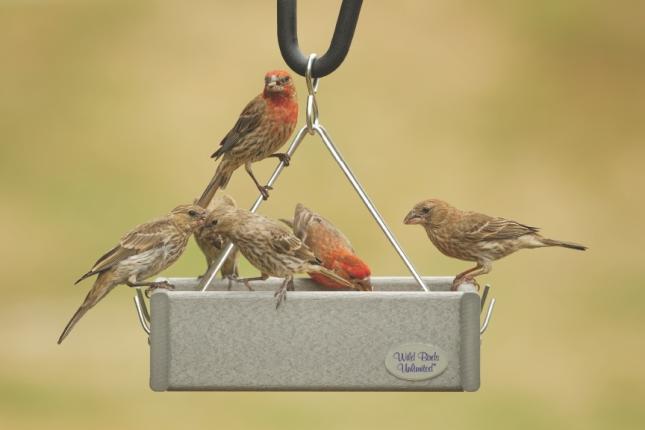
If one feeding location becomes extremely crowded, adding another station in a different part of the yard can help disperse activity. This may also allow smaller birds to feed away from larger or more dominant species.
Keep Bird Food Fresh
Bird food can spoil when exposed to moisture, heat, insects, rodents, or contaminated feeder surfaces.
Check food regularly and discard it if you notice:
- Mold
- A sour or musty odor
- Dampness or clumping
- Rodent contamination
- Unusual discoloration
- Food remaining in a feeder long after birds have stopped eating it
Avoid continually adding new food on top of old food. Empty the feeder, remove accumulated debris, and clean it before refilling.
Purchase an amount of food that you can use while it remains fresh - within 4-6 weeks - and store it in a cool, dry location. Our guide to keeping bird food fresh offers additional storage information.
Clean Feeders Regularly
Feeders should be cleaned approximately once a week and more often during wet weather, periods of heavy activity, or whenever they become visibly dirty.
For routine cleaning:
- Empty all remaining food.
- Take the feeder apart as completely as possible.
- Remove stuck food, droppings, and other debris.
- Scrub all surfaces, feeding ports, perches, seams, and drainage openings with hot, soapy water.
- A solution of one part white vinegar to ten parts water may also be used for routine cleaning after visible debris has been removed.
- Rinse every part thoroughly.
- Allow the feeder to dry completely before adding fresh food.
Use brushes dedicated to bird-feeding equipment rather than brushes used for dishes or food preparation.
Our backyard bird-care guide includes detailed instructions for cleaning feeders, bird baths, hummingbird feeders, and feeding areas.
Clean Bird Baths and Water Features
Bird-bath water should be replaced daily, especially during warm weather or when many birds are visiting.
When changing the water:
- Empty the basin completely.
- Remove feathers, leaves, droppings, algae, and other debris.
- Scrub the basin as needed.
- Rinse thoroughly.
- Refill it with clean water.
Bird baths may need more frequent attention when the water becomes dirty, algae develops, or a sick bird has used the basin.
Visit our guide to bird baths and heated bird baths in Colorado Springs for more information about providing clean water throughout the year.
Give Hummingbird Feeders Special Attention
Hummingbird nectar can spoil much faster than seed.
As a general rule, nectar should never remain in a feeder for more than three days. When temperatures reach 90°F or above, replace the nectar and clean the feeder every day.
Clean the feeder every time you change the nectar. Do not simply pour fresh nectar on top of old nectar or refill an unwashed feeder.
Discard nectar immediately if it becomes cloudy, develops an unusual odor, contains floating material, or shows signs of mold.
Our guide to hummingbird feeders and nectar in Colorado Springs includes the correct nectar recipe, cleaning guidance, and warm-weather care.
Watch for Signs of a Sick Bird
A single behavior does not always mean a bird is ill. Birds may rest, sun themselves, fluff their feathers during cold weather, or behave differently while molting.
Possible warning signs may include:
- Remaining unusually fluffed up for an extended period
- Lethargy or limited response when approached
- Difficulty flying, perching, or maintaining balance
- Swollen, crusty, red, or closed eyes
- Discharge around the eyes, nostrils, or bill
- Labored or open-mouth breathing
- Visible sores, growths, or unusual swelling
- Wet or soiled feathers around the vent
- Tremors or other unusual movements
- Remaining at a feeder for an unusually long time without normal alert behavior
- Obvious injury or bleeding
These symptoms can have many possible causes. Photographs and careful observations may help a licensed wildlife rehabilitator evaluate the situation, but avoid approaching closely enough to distress the bird.
What Should You Do if a Sick Bird Visits?
If you see a bird that appears sick at your feeding station:
- Temporarily remove the feeders the bird has been using.
- If the bird used a bird bath, empty and remove or disinfect the bath as well.
- Discard all food and water from those items.
- Clean away seed, hulls, droppings, and debris beneath the feeding area.
- Wash the feeders and baths to remove all visible material.
- Disinfect them with a solution of one part bleach to ten parts water.
- Rinse every surface extremely thoroughly.
- Allow everything to dry completely.
- Keep the affected feeders and baths down for approximately two weeks so birds can disperse.
- Contact a licensed wildlife rehabilitator or appropriate wildlife agency when assistance is needed.
Never mix bleach with vinegar, ammonia, soap, or other cleaning products. Perform cleaning outdoors or in a well-ventilated utility area, wear gloves, and wash your hands thoroughly afterward.
Recommendations can vary depending on the illness, the number of affected birds, and current conditions. Follow any additional guidance issued by Colorado Parks and Wildlife, public-health officials, or licensed wildlife rehabilitators.
Do Not Handle Sick or Dead Birds With Bare Hands
Avoid touching a sick, injured, or dead wild bird with bare hands. Keep children and pets away from the bird and from any contaminated food, water, droppings, or surfaces.
Do not attempt to capture or treat a wild bird unless a licensed wildlife rehabilitator has instructed you to do so. Birds can become further injured through improper handling, and wildlife rehabilitation requires appropriate state and federal authorization.
If a professional instructs you to collect a dead bird, follow their handling and disposal directions carefully.
Visit our sick or injured bird resource page for local contact information and additional guidance.
Common Bird-Health Concerns
Several illnesses may affect wild birds, but symptoms frequently overlap. A swollen eye, lethargy, or difficulty flying cannot confirm a specific disease without professional evaluation.
We maintain individual resources for several concerns that may affect birds in Colorado:
Disease conditions and official recommendations can change. Check the appropriate page for the latest information before deciding whether feeders should be removed throughout the community.
Protect Yourself, Too
Bird-feeding equipment can carry bacteria that may affect people as well as wildlife.
Use these basic precautions:
- Wash your hands after handling feeders, baths, food containers, or waste.
- Wear gloves when cleaning heavily soiled equipment.
- Clean bird-feeding equipment away from food-preparation surfaces.
- Do not use kitchen brushes or sponges for feeder cleaning.
- Keep bird food and cleaning supplies away from human food.
- Prevent children and pets from playing beneath heavily used feeders.
- Avoid touching your face while cleaning.
- Clean any tools used to collect contaminated seed or debris.
People who are pregnant, immunocompromised, very young, older, or otherwise at increased risk from infection may wish to have someone else clean bird-feeding equipment.

Bird Health Frequently Asked Questions:
Do feeders cause bird diseases?
Feeders do not create bird diseases, but birds gathering repeatedly in one place can provide opportunities for some illnesses to spread. Clean equipment, fresh food, dispersed feeding stations, and prompt action when a sick bird appears can reduce that risk.
How often should bird feeders be cleaned?
We recommend cleaning feeders approximately once a week and sooner whenever food becomes wet, droppings accumulate, or the feeder becomes visibly dirty. Heavy activity and wet weather may require more frequent cleaning.
Should I remove my feeders if I see a sick bird?
Yes. Remove the feeders the bird has been using, discard the food, clean and disinfect the equipment, and allow birds to disperse for approximately two weeks. Follow current local guidance if several sick or dead birds are being reported.
Can I catch a sick bird and bring it inside?
Do not attempt to catch or handle a sick bird unless a licensed wildlife rehabilitator has instructed you to do so. Contact a professional first.
What should I do if I find several dead birds?
Keep people and pets away, avoid bare-handed contact, and contact Colorado Parks and Wildlife at 719-227-5200 or the appropriate public-health authority for current reporting and handling guidance.
Is every fluffed-up bird sick?
No. Birds fluff their feathers to stay warm, rest, preen, and sun themselves. Concern increases when fluffing is prolonged or accompanied by closed eyes, poor balance, breathing difficulty, visible discharge, or unusually little response to nearby activity.
Questions About Your Backyard Birds?
Wild Birds Unlimited of Colorado Springs closely monitors available information about diseases and other concerns affecting birds in our area.
Visit us at 2450 Montebello Square Drive, call 719-596-1819, or email us if you have questions about feeder cleaning, fresh food, bird-bath care, or something unusual you have observed.
We cannot diagnose or treat wildlife, but we are always happy to help you find reliable information and connect you with the appropriate resources.