Bird Baths, Habitat and Backyard Bird Questions
Bird Baths, Habitat and Backyard Bird Questions:
What is the best bird seed for birds in Colorado Springs?
There isn't one bird seed that is best for every backyard or every bird. The best bird food for your Colorado Springs yard depends on the birds you want to attract, the type of feeder you use, where you live, and even the challenges you may be having at your feeders.
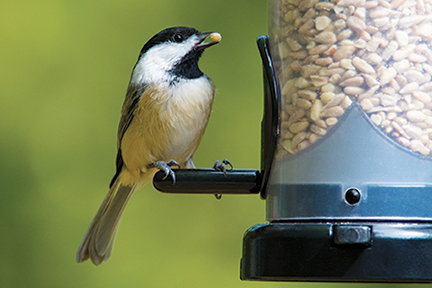
Different birds have different preferences. Chickadees, nuthatches, finches, woodpeckers, juncos, sparrows, and other common Colorado Springs birds don't all eat the same things, which is why choosing the right food can make such a noticeable difference in who visits your feeders.
We carry a wide variety of high-quality bird foods, and we can help you choose a food based on the birds you want to see and the way you like to feed them.
Sometimes the "best" bird seed is also the one that solves a particular problem. If you're tired of weeds growing beneath your feeders, want less waste, are feeding too many pigeons or starlings, or need help discouraging squirrels, we can recommend foods and feeders specifically for those situations.
Not sure what you need? Come talk to us! Tell us what birds you're seeing, what you'd like to attract, what feeder you're using, and what's driving you crazy. Helping people solve bird-feeding problems is one of our favorite parts of what we do.
What bird seed attracts the most birds in Colorado Springs?
Sunflower is one of the most widely enjoyed foods among backyard birds, but attracting a greater variety of birds usually means offering a variety of foods.
Different foods appeal to different species. Sunflower, peanuts, suet, and other specialty foods can each bring different visitors to your yard. The feeder you put that food in matters too.
Rather than simply trying to attract the greatest number of birds, we can help you choose foods that attract the birds you actually want to see.
What bird seed won't grow weeds under my feeder?
If you're tired of plants sprouting beneath your bird feeders, look for shell-free no-mess bird foods.
Much of what grows beneath a feeder comes from uneaten seeds that fall to the ground. No-mess blends use foods with the shells or hulls removed, so birds can eat more of what you're putting out and there is much less material left beneath the feeder. Because the shells and hulls have been removed, the bird food itself won't germinate beneath your feeder.
They're a great option for feeders over patios, decks, landscaped areas, and anywhere you simply don't want a pile of shells or germinating seed.
If weeds or mess beneath your feeders are a problem, ask us about our no-mess options and we can help you find one that works for the birds visiting your yard.
How should I store my bird seed?
Proper storage helps keep bird food fresh and keeps unwanted visitors like mice, squirrels, insects, and other pests from getting into it.
We recommend keeping bird food in a cool, dry location and using a tightly sealed container. Avoid leaving seed in an open bag where rodents can reach it, and remember that mice and squirrels can chew through many lightweight plastic containers.
We carry several bird seed storage solutions, including heavy-duty plastic and metal pails designed to help keep your food protected and make scooping and filling feeders easier.
It's also a good idea to buy an amount your birds will use within a reasonable period rather than storing large quantities for a long time. Fresh food is better for the birds, and good storage helps make sure more of the food you buy ends up in your feeders instead of becoming dinner for the mice!
Why are there moths, worms, or webs in my bird food?
Because our bird foods are not treated with pesticides, they can occasionally develop grain moths, beetles, weevils, or other stored-food insects. You may first notice small worm-like larvae or fine webbing before seeing adult moths.
Often, insect eggs are present in grain or seed from the original harvest and hatch later, especially in warm conditions. Insects can also come from outside sources and be attracted to the food.
While we completely understand not wanting these insects in your home, their presence does not necessarily mean the food is unusable. Many birds will happily eat the insects and larvae too!
To help prevent infestations, buy only as much food as your birds will eat within a few weeks and store it in a cool location outside your living space in a tightly sealed container.
If you find insects or webbing, you can eliminate the insects by freezing the food for five days. For larger amounts, divide it into smaller bags and remove what you need the day before feeding. Thoroughly clean and dry your storage container before adding fresh food.
And if you're unsure about something you find in your bird food, bring us a photo or give us a call. We're always happy to help!
How can I keep squirrels or raccoons away from my bird feeders?
There are several ways to discourage squirrels and raccoons, and the best solution depends on your yard and feeder setup.
Placement can make a huge difference. Properly positioned poles and baffles can prevent animals from reaching feeders from the ground, while squirrel-resistant feeders can help when placement alone isn't enough.
Food can also be part of the solution. Some bird foods use hot pepper ingredients that birds can eat but mammals generally avoid.
If you're battling squirrels or raccoons, bring us a photo of your feeder setup! Often we can spot the route they're using and help you figure out a solution without replacing everything you already own.
How can I discourage pigeons from taking over my bird feeders?
Pigeons can become frustrating when they dominate feeding areas or consume large amounts of food intended for smaller backyard birds.
Changing the type of food you offer, using feeders designed for smaller birds, adding cages, adjusting feeder placement, and reducing the amount of food that reaches the ground can all help.
There isn't necessarily one solution that works for every yard, so we like to look at the whole feeding setup. Tell us what you're feeding, what kind of feeder you're using, and how the pigeons are accessing it, and we can help you find ways to make your feeding station less attractive to them while continuing to feed the birds you enjoy.
How can I discourage starlings and other bully birds at my feeders?
Starlings can be persistent, but changing your food and feeder setup can often reduce the amount of time they spend at your feeding station.
Certain foods are less appealing to starlings than others, and cage-style feeders can allow smaller birds to reach food while limiting access for larger species. Adjusting what you feed, how you offer it, and where feeders are positioned can make a significant difference.
Before giving up on feeding altogether, come talk to us. We can help you troubleshoot your setup and find options that continue to support the birds you want without making things quite so easy for the ones taking over.
How do I choose the right bird feeder?
Start with the birds you want to attract.
Different feeder designs work better for different birds and different foods. Tube feeders, hopper feeders, platform feeders, suet feeders, hummingbird feeders, window feeders, and specialty feeders all serve different purposes.
Where you plan to put the feeder matters too. We can help you consider feeder location, available space, squirrels and other wildlife, the type of food you want to offer, ease of cleaning, and how close you'd like the birds to your favorite viewing spot.
You don't need to know exactly what you're looking for before you come in. Tell us what you'd like your backyard bird-feeding experience to be, and we'll help you build from there.
Where is the best place to put a bird feeder?
The best location balances visibility, bird safety, accessibility, and protection from predators and weather.
You'll want a location where you can watch and enjoy the feeders, where birds can comfortably approach the feeder, and where you can easily reach it for filling and cleaning. Nearby natural cover can give birds places to retreat, but feeder placement should also take predators and squirrels into consideration.
Windows are another important part of the decision. Depending on the location, feeders can sometimes be placed very close to windows to reduce the speed birds can build up before a collision, while other locations may require additional window-collision prevention measures.
Every yard is different. If you're not sure where your feeder should go, photos of your yard can be incredibly helpful. We're always happy to help you think through possible locations.
Should I feed birds year-round in Colorado Springs?
Yes! Birds can be fed throughout the year, and every season brings something different to the feeder.
Winter can be an especially valuable time to offer high-energy foods as birds cope with cold temperatures and shorter days. Spring brings migration and nesting season. Summer brings nesting birds, fledglings, and hummingbirds, while fall migration can introduce completely different visitors to your yard.
Changing what you offer throughout the year can help you meet birds' changing needs and can make backyard bird feeding even more interesting.
Do birds become dependent on bird feeders?
Wild birds generally use feeders for about 20% of their diet. They continue to forage for naturally occurring foods such as seeds, fruits, insects, and other resources.
That means you shouldn't feel guilty if you go on vacation or your feeder is empty for a little while. The birds know how to find food. And don't worry, having feeders available won't prevent birds from migrating when it's time for them to go!
Feeders are one way we can supplement the natural resources available in our yards while also getting an incredible opportunity to observe birds up close.
How often should I clean my bird feeders?
Regular cleaning is an important part of responsible bird feeding. How often depends on the feeder, weather, and amount of use, but here's a good rule of thumb:
For seed feeders:
- Give them a look and rinse about once a week.
- Thoroughly clean them every couple of months, or anytime they need it.
- For routine cleaning, use 1 part white vinegar to 10 parts water.
- For particularly dirty or greasy feeders, a little Dawn dish soap can help.
- Always rinse thoroughly and let feeders dry completely before adding fresh food. Don't forget to clean trays and remove accumulated seed, shells, and droppings beneath your feeders, too.
Hummingbird feeders need extra attention:
- Never let nectar sit for more than 3 days.
- At 90°F or higher, change nectar every day.
- Clean the feeder every time you change the nectar.
Clean feeders + fresh food = healthier birds!
What should I do if I see a sick bird at my feeder?
If you notice a bird that appears sick, removing your feeders temporarily can help reduce the opportunity for birds to congregate closely in one location.
While the feeders are down, thoroughly clean and disinfect them, clean the area underneath them, and provide fresh, clean water in bird baths. Use 1 part bleach to 10 parts water when you clean after seeing a sick bird.
If you're unsure what you're seeing, you can always contact us. We can help you determine whether the behavior you're observing is unusual and point you toward appropriate bird-health or wildlife resources when needed.
How do I attract hummingbirds in Colorado Springs?
Hummingbirds can be attracted with a combination of nectar feeders, flowering plants, water, insects, and a bird-friendly habitat. A well-maintained hummingbird feeder provides an additional food source and an incredible opportunity to watch these tiny birds up close.
For homemade hummingbird nectar, the recipe is simple:
1 part plain white table sugar + 4 parts water
That's it! NO honey, brown sugar, organic sugar, dyes, or other additives. Extra nectar can be refrigerated for up to two weeks, and you don't need to fill your feeder completely if your hummingbirds aren't drinking it before it's time for a change.
Keeping nectar fresh is extremely important. Clean your hummingbird feeder every time you change the nectar, and change it more frequently as temperatures rise.
We can help you choose the right hummingbird feeder, safely make and maintain nectar, decide where to place your feeder, and add other features to your yard to make it more welcoming to hummingbirds.
When should I put hummingbird feeders out in Colorado Springs?
We recommend putting your hummingbird feeders out around Tax Day, April 15. Migration timing varies from year to year and can be influenced by weather, but having a clean feeder with fresh nectar ready means you'll be prepared when those first hummingbirds arrive.
And don't worry about leaving your feeder up in the fall. Keeping a hummingbird feeder available will not prevent hummingbirds from migrating. In fact, late-season feeders can provide an important food source for migrating hummingbirds passing through after some of our summer residents have already headed south.
We recommend keeping your feeder up until you haven't seen or heard a hummingbird for two weeks, which in Colorado Springs is usually sometime in mid to late October.
Will leaving my hummingbird feeder up keep hummingbirds from migrating?
No! Leaving your hummingbird feeder up will not prevent hummingbirds from migrating.
Migration is driven by natural cues and instinct, not by whether a feeder is available. Hummingbirds will leave when it's time for them to migrate, even if your feeder is still full of fresh nectar.
In fact, keeping your feeder up can help late-season migrants passing through Colorado Springs by giving them another place to refuel along their journey. Some of those birds may have traveled from much farther north and can pass through after the hummingbirds you watched all summer have already left.
So don't worry that you're convincing a hummingbird to stay behind. Keeping the feeder up isn't stopping migration. It's providing a pit stop for birds already on their way!
Can you help me figure out why birds aren't coming to my feeder?
Absolutely! This is exactly the kind of question we love helping with.
Sometimes the solution is as simple as changing the food, moving the feeder, or simply giving birds more time to discover it. It can take birds anywhere from a few minutes to a few months to discover a new feeder, so patience really is key!
Other times, there may be issues involving feeder style, nearby cover, predators, squirrels, spoiled food, seasonal bird movement, or changes in which birds are currently in the area.
Bring us photos of your feeder and yard if you can. Tell us what you're feeding, how long the feeder has been up, and what birds you're hoping to attract. We'll help you troubleshoot.
You don't have to buy something to ask us a bird question. Whether you're brand new to bird feeding or have been doing it for decades, we're always happy to talk birds!