
Wildlife-Resistant Bird Feeding in Colorado Springs
Squirrels are not the only animals interested in bird food. Raccoons may empty feeders overnight, and deer can reach food that appears safely above the ground. In Colorado Springs, an effective feeding station often needs to account for several kinds of wildlife.
At Wild Birds Unlimited of Colorado Springs, we carry wildlife-resistant feeders, cages, pole systems, baffles, hot-pepper bird foods, and other solutions designed to keep more food available for the birds.
Every yard is different. Bring us photographs and measurements from your feeding station, and our knowledgeable team will help you find an approach that fits your space and the animals visiting it.
Wildlife-Resistant Bird Feeding: Quick Answers
What is the best feeder for keeping wildlife away?
The best option depends on which animal is reaching the food and how it gets there. Weight-sensitive feeders, cages, sturdy poles, and correctly positioned baffles can all help, but the complete feeding-station setup matters.
Why isn’t my squirrel baffle working?
The baffle may be too small, installed too low, or positioned near a tree, fence, roof, or other launching point. The animal may also be reaching the feeder from above rather than climbing the pole.
Does hot-pepper bird food hurt birds?
Commercial hot-pepper bird foods are designed around the difference between how birds and mammals respond to capsaicin. Birds do not experience its heat the way mammals do. Follow the package instructions and handle these products carefully because capsaicin does affect people and other mammals.
Is it legal to feed deer in Colorado?
Intentionally feeding deer and other big-game wildlife is illegal in Colorado. If deer are accessing your bird feeders, change the setup or temporarily remove the feeders until you can prevent access.
Is Any Bird Feeder Completely Wildlife-Proof?
We prefer the term “wildlife-resistant” because no feeder or strategy works perfectly in every yard.
Squirrels can jump and climb. Raccoons are strong enough to open or damage many feeders. Deer can stretch surprisingly high and may push over lightweight poles. A feeder that solves one challenge may not stop another.
The most successful setup usually combines several strategies:
- A wildlife-resistant or caged feeder
- A strong pole system
- A properly sized and positioned baffle
- Distance from trees, fences, roofs and other access points
- Bird food that mammals are less interested in eating
- Regular cleanup beneath the feeder
- Secure indoor food storage
Placement and the surrounding landscape can be just as important as the feeder itself.
Identify Your Backyard Visitor
Understanding which animal is accessing the food will help determine the best solution.
Squirrels are commonly active during the day and may climb poles, leap from nearby structures, or hang from feeders. Raccoon damage often happens overnight and may include opened lids or feeders pulled to the ground. Deer may eat straight from feeders or clean up spilled food beneath a feeding station.
A wildlife camera or smart bird feeder can help identify visitors you do not see in person. Photographs of tracks, damage, and the overall feeding station may also help our team determine what is happening.
Squirrel-Resistant Bird Feeding
Squirrels are intelligent, athletic, and persistent. Managing them usually requires both the right equipment and careful feeder placement.
Weight-Sensitive Feeders
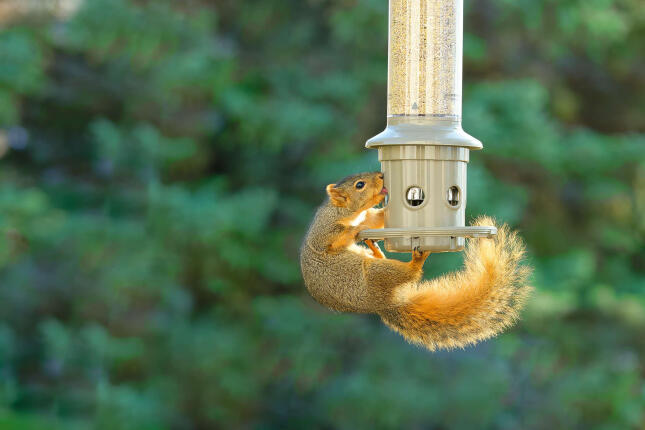
Weight-sensitive feeders use a bird’s lighter weight to provide access to food. When a heavier squirrel lands on the feeder, the feeding ports close or become inaccessible.
These feeders work best when squirrels must approach the feeder directly rather than reaching it from a nearby tree, fence, or railing.
Caged Feeders
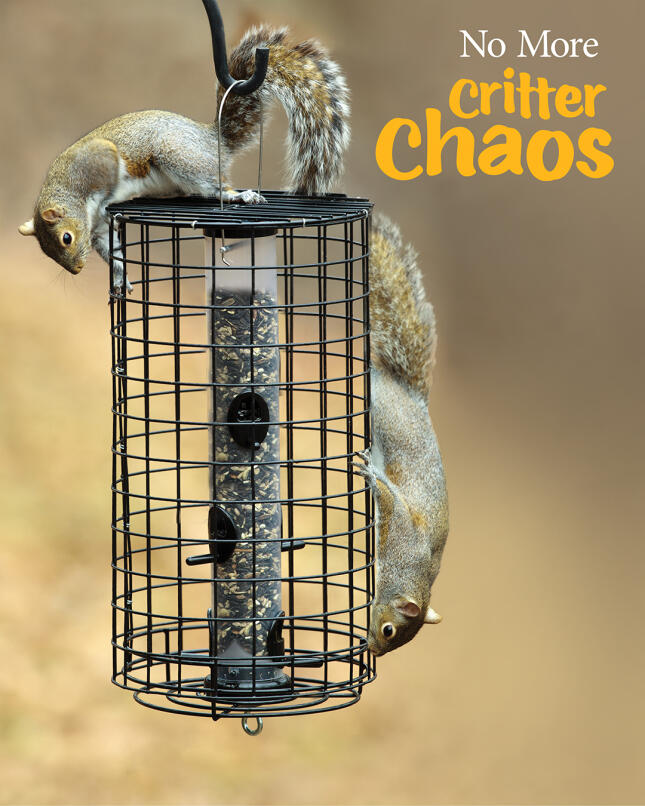
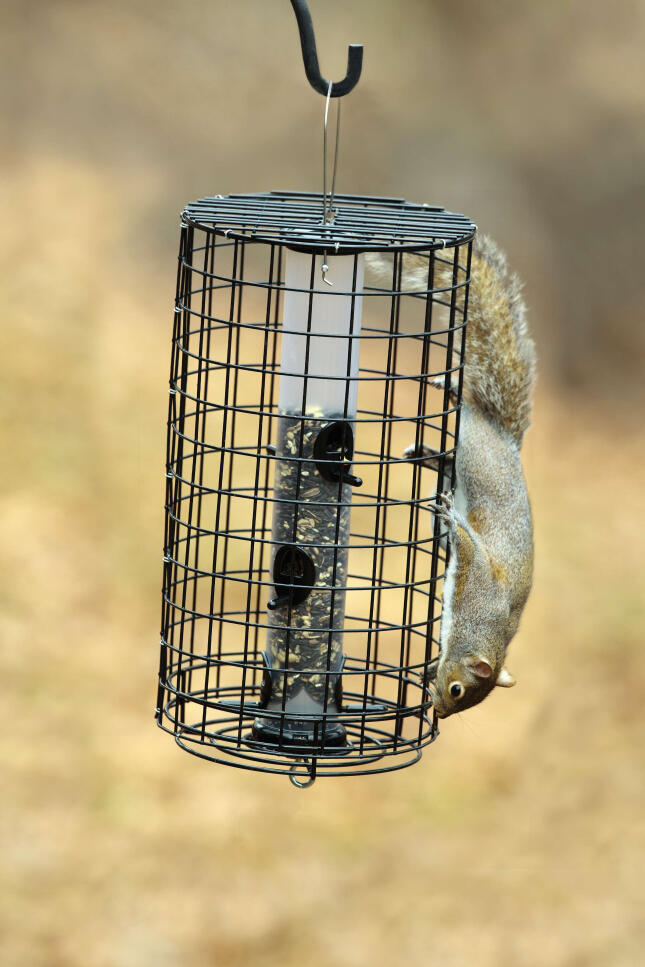
Caged feeders surround the food with a protective barrier. Smaller birds can pass through the openings, while squirrels and many larger birds cannot reach the feeding ports.
Cages can also help when larger birds are consuming more than their share. However, they may limit access for some larger songbirds you enjoy seeing.
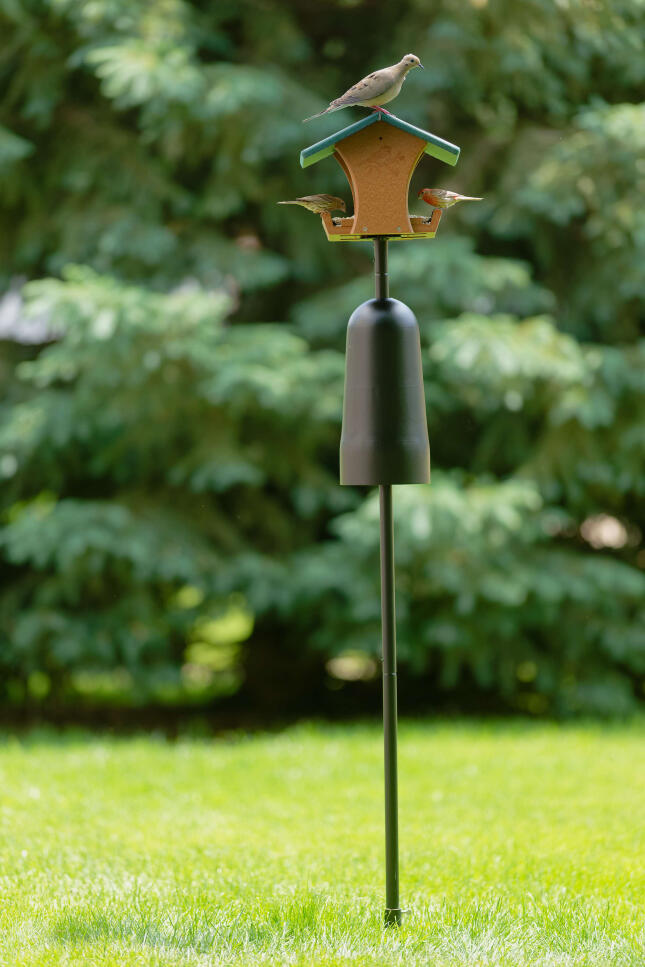
Pole Systems and Baffles
A sturdy pole system with a properly sized and positioned baffle is one of the most effective ways to discourage squirrels.
A baffle that is too small, installed too low, or placed near a convenient launching point may not work as intended. The baffle should be positioned at least 4½ feet above the ground, and no feeders should hang below it. Also consider nearby trees, fences, railings, roofs, shrubs, and patio furniture that could provide another route to the food.
Look at your yard from a squirrel’s perspective. If there is a possible route to the food, a squirrel will probably investigate it.
Keeping Raccoons Away From Bird Feeders
While raccoons do not jump as far as squirrels, they are strong, clever climbers and may work together to reach food. They may open feeder lids, pull down hanging feeders, use one another to climb into hard-to-reach places, or bend lightweight poles while attempting to reach the food.
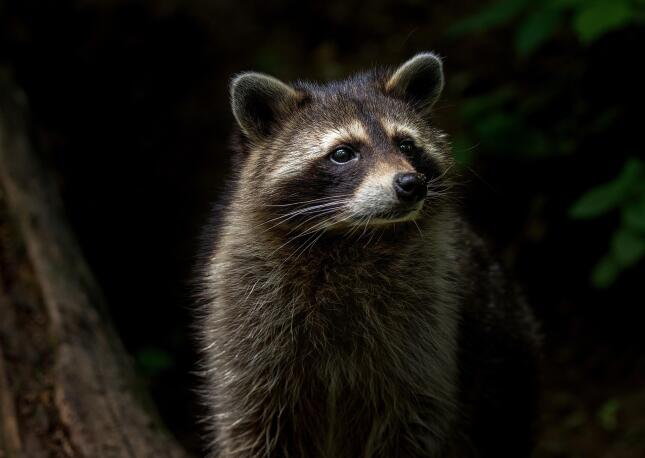
Raccoon-resistant strategies may include:
- Using a sturdy pole with an appropriately sized baffle
- Using hot-pepper bird foods, which can be particularly effective at discouraging raccoons
- Keeping feeders away from trees, fences, and structures
- Securing lids and removable feeder components
- Bringing feeders into a secure indoor location at night
- Cleaning spilled food from the ground
- Storing bird food indoors in a secure container
A lightweight squirrel baffle may not be enough to stop a determined raccoon. In our experience, raccoons are generally even more sensitive to hot-pepper bird foods than squirrels. Hot pepper can therefore be an especially useful part of a raccoon-resistant feeding setup, although it is still good to combine a strong pole, an appropriate baffle, secure feeder components, and regular cleanup as well.
Do not place food on the ground to distract raccoons from your feeders. This teaches them to return and may attract additional animals.
Keeping Deer Away From Bird Feeders
Deer may eat directly from accessible feeders, stretch up to reach hanging food, or consume seed from the ground. They may also damage feeders and poles while trying to reach the food.
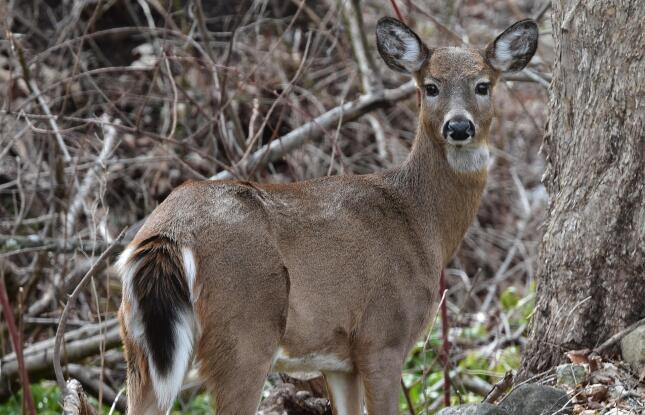
To discourage deer:
- Keep feeders beyond their reach
- Consider hot-pepper bird foods
- Avoid offering bird food on or close to the ground
- Use sturdy poles that cannot be pushed over easily
- Clean spilled food regularly
- Consider caged feeders that limit access
- Avoid placing feeders beside slopes, walls or structures that give deer additional reach
- Remove or change the feeding setup if deer continue accessing the food
Intentionally feeding deer and other big-game wildlife is illegal in Colorado. Feeding deer can also contribute to disease transmission, property damage, and dangerous interactions among wildlife, people, pets, and vehicles.
The goal should always be to prevent deer from accessing bird food rather than offering them a separate food source.
Hot-Pepper Bird Food
Hot-pepper bird food can provide another layer of wildlife resistance. Birds have different protein receptors and do not experience the heat of capsaicin like mammals do, but squirrels, raccoons, and other mammals often find it unpleasant.
Available options may include loose bird-food blends, suet, seed cylinders, and other specialty foods.
Handle hot-pepper products carefully. Avoid touching your eyes or face, wash your hands after use and keep the products away from children and pets. Hot pepper works best as part of a larger strategy that also includes feeder design, placement, and cleanup.
Because hot-pepper foods may look or smell different from familiar bird food, birds sometimes need time to investigate them. Be patient while your backyard birds adjust to the change.
Hot pepper is a deterrent, not a guaranteed barrier. A hungry or determined mammal may still attempt to eat it, particularly when natural food is scarce. In our experience, this is especially common among pregnant animals and mothers caring for young, whose drive to find enough food may outweigh their dislike of the pepper.
If hot-pepper food suddenly seems less effective, consider the season and what may be happening in the animal’s life before assuming the product has stopped working. For the best results, combine hot-pepper food with appropriate feeders, baffles, thoughtful placement, and regular cleanup.
Can Changing Bird Food Help?
Food preferences vary among individual animals. Some squirrels may be less interested in safflower than in sunflower seed, peanuts, or corn, but others learn to eat it. Hot-pepper food can offer a stronger deterrent.
No-mess food can help reduce the shells and uneaten ingredients that accumulate beneath feeders. However, birds may still drop pieces, so the ground should be checked and cleaned regularly.
Our guide to the best bird seed for Colorado Springs birds explains the differences among sunflower, safflower, peanuts, Nyjer seed, no-mess blends, seed cylinders, and other foods.
Keep the Ground Clean
A feeder may successfully exclude larger animals while spilled food continues attracting them to the yard.
Regularly remove seed hulls, dropped food, and old debris from beneath feeders. Trays and seed catchers may help, but they also need routine cleaning.
Maintaining the area beneath your feeders can discourage mammals while supporting a cleaner environment for visiting birds. Follow our backyard bird-care guide for feeder, food and bird-bath maintenance recommendations.
Store Bird Food Securely
Wildlife-resistant feeding does not end at the feeder. Bird food stored in a garage, shed, or on a porch may attract animals if they can smell or reach it.
Keep bird food dry and inside a sturdy, securely closed container. If bears are active in your area, bird food and other attractants should be stored indoors where bears cannot access them.
What About Bears?
Bears require a different level of planning from squirrels, raccoons, and deer. Bears can be found throughout much of Colorado Springs, including neighborhoods where residents may not expect to see them, so every feeding station should consider the possibility of bear activity.
Intentionally feeding or baiting bears is illegal in Colorado, and leaving bird feeders or other attractants accessible to bears can also violate state law and local ordinances. If bears continue visiting your property, removing the feeders is the responsible choice to protect the bears and yourself. Removing feeders may be necessary to prevent bears from receiving a food reward.
We carry several bear-resistant bird-feeding options that can significantly limit a bear’s access to food. These include a 14-foot pole system that allows feeders to be raised and lowered with a winch. When correctly installed in an appropriate location, the feeders can be raised high enough to remain effectively out of a bear’s reach.
Heavy-duty steel feeders with small feeding ports can also make it extremely difficult for a bear to access the food, even if the animal reaches the feeder. Hot-pepper bird foods may provide another deterrent because bears, like other mammals, are sensitive to capsaicin.
However, bear-resistant equipment does not necessarily prevent a bear from smelling bird food or visiting the area to investigate. Spilled seed, suet, hummingbird nectar, and improperly stored food can all attract bears. Installation, feeder height, surrounding structures, cleanup, and secure food storage are especially important.
If a bear reaches your feeders, continues returning or begins associating your property with food, remove the feeders immediately, clean up anything beneath them, and store all bird food securely indoors. Never rely on hot pepper or a heavy-duty feeder alone when a bear is actively visiting.
Visit our guide to bird feeders and bears in Colorado Springs for information about bear-resistant equipment, seasonal feeding, safe installation, food storage, and what to do when a bear visits your yard.
Learn more about living responsibly with Colorado wildlife from Colorado Parks and Wildlife.
Let Us Help With Your Wildlife Challenge
Visit Wild Birds Unlimited of Colorado Springs at 2450 Montebello Square Drive to explore wildlife-resistant feeders, cages, pole systems, baffles, and hot-pepper bird foods.
Bring photographs of your yard, feeder, and the route animals are using. Measurements showing the distance from trees, fences, railings, and roofs can also help. We will work with you to find a practical, responsible solution for your feeding station.
You can also shop for bird feeders from our Colorado Springs store online. Your order will be prepared and packed by our local store team.