
West Nile Virus and Backyard Birds in Colorado Springs
West Nile virus is a mosquito-borne virus that affects birds, people, horses, and some other animals. Birds are an important part of the virus’s natural transmission cycle, but people usually become infected through the bite of an infected mosquito, not from watching or feeding backyard birds.
West Nile activity is generally greatest during mosquito season, which typically runs from summer into fall. You do not need to stop feeding birds or permanently remove your bird baths because of West Nile virus. Clean feeding practices, frequently refreshed water, and responsible mosquito control can help protect birds and people.
What Is West Nile Virus?
West Nile virus is a flavivirus that is maintained in a cycle between birds and mosquitoes.
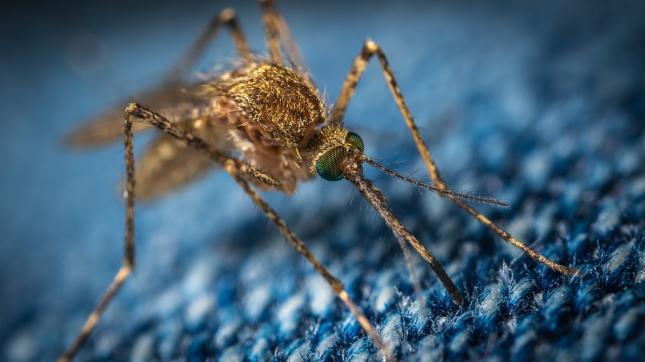
A mosquito may become infected after feeding on a bird carrying the virus. That mosquito can then transmit the virus when it bites another bird, a person, a horse, or another animal.
Birds can develop enough virus in their blood to infect additional mosquitoes. People and horses are considered “dead-end hosts” because they generally do not develop enough virus in their blood to continue the mosquito transmission cycle.
West Nile virus was first detected in the United States in 1999 and has since been reported throughout the contiguous United States.
How Is West Nile Virus Spread?
The primary transmission cycle is:
- A mosquito feeds on an infected bird.
- The mosquito becomes infected.
- The infected mosquito later bites another bird, person, or animal.
- The virus is passed through the mosquito’s bite.
Predatory and scavenging birds may also be exposed by consuming infected animals. However, mosquitoes remain the primary way West Nile virus moves between birds and people.
West Nile virus is not ordinarily spread through:
- Watching birds
- Maintaining a bird feeder
- Casual contact with another person
- Coughing or sneezing
Although ordinary bird feeding is not considered a direct route of West Nile transmission to people, avoid bare-handed contact with sick or dead wildlife.
Can I Get West Nile Virus Directly From a Bird?
People most commonly become infected through mosquito bites, not through ordinary contact with backyard birds.
Still, never handle a sick or dead bird with bare hands. A bird’s illness may have another cause, and it is not possible to diagnose wildlife disease by appearance alone. Keep children and pets away from sick or dead animals.
If wildlife officials instruct you to move a dead bird, wear disposable gloves or use an inverted plastic bag so that you do not touch it directly. Follow the handling and disposal instructions provided by local authorities, and wash your hands thoroughly afterward.
Contact Colorado Parks and Wildlife at 719-227-5200 if you find multiple dead birds in one area or a live bird showing serious neurological symptoms.
How Does West Nile Virus Affect Birds?
West Nile virus has been detected in hundreds of bird species. Many infected birds survive and may show no obvious signs of illness. Other species can become severely ill.
Members of the corvid family, including crows, ravens, jays, and magpies, are particularly well known for becoming seriously ill or dying from West Nile virus. Raptors and other birds may also be affected.
Possible signs of illness include:
- Extreme weakness or lack of response
- Difficulty standing, walking or flying
- Loss of coordination
- Tremors or seizures
- Unusual head or neck movements
- Drooping wings
- Partial paralysis
- Sudden death
These signs are not unique to West Nile virus. Avian influenza, poisoning, injury, and other diseases may produce similar symptoms.
Do not attempt to diagnose or capture the bird yourself. If a bird cannot fly, appears severely ill, or is in immediate danger, contact a licensed wildlife rehabilitator. More information can be found our Sick or Injured Bird page.
Should I Take Down My Bird Feeders?
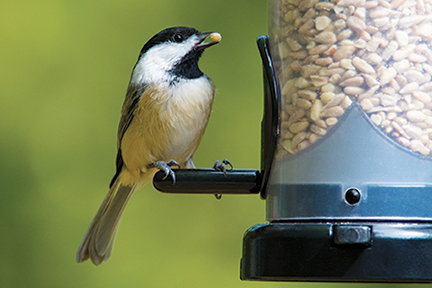
There is no general recommendation to remove songbird feeders because of West Nile virus. The virus is primarily spread by mosquitoes rather than ordinary feeder contact.
Continue following healthy bird-feeding practices:
- Clean feeders regularly.
- Replace wet, moldy, or contaminated food.
- Remove accumulated seed and waste beneath feeders.
- Spread feeders apart to reduce crowding.
- Wash your hands after handling feeders or bird waste.
- Monitor birds for signs of illness.
If a visibly sick bird is using your feeding station, remove the affected feeders and bird baths. Clean and disinfect them, clean the surrounding area, and leave the feeders down for approximately two weeks. Because several illnesses can cause similar symptoms, respond to the sick bird even when you do not know the cause.
Visit our Bird Health page and Backyard Bird Care Guide for complete cleaning instructions.
Do Bird Baths Increase the Risk of West Nile Virus?
A neglected container of standing water can provide mosquitoes with a place to lay eggs. A frequently maintained bird bath does not need to be removed.
Keep offering clean water while preventing mosquito development:
- Replace the water frequently, ideally every day.
- Scrub the basin regularly.
- Remove leaves, droppings and other debris.
- Check shaded or hidden areas where water may collect.
- Keep fountains, drippers or misters operating properly.
- Do not allow water to remain neglected for extended periods.
Moving water can make a bath more noticeable and appealing to birds, but movement alone should not replace regular water changes and cleaning.
Learn more about providing clean water in our Bird Baths in Colorado Springs Guide.
Remove Other Sources of Standing Water
Bird baths are often blamed for mosquitoes while less visible water sources go unnoticed. Regularly inspect your yard for water collecting in:
- Buckets and watering cans
- Plant saucers
- Clogged gutters
- Wheelbarrows
- Tarps and outdoor covers
- Children’s toys
- Trash and recycling containers
- Old tires
- Rain barrels without secure screens
- Pet bowls
- Low areas that do not drain
Empty, scrub, cover, or turn over containers whenever practical.
What Are Mosquito Dunks and Mosquito Bits?
Mosquito Dunks® and Mosquito Bits® are mosquito-control products containing Bacillus thuringiensis subspecies israelensis, commonly called Bti.
Bti targets the larval stage of mosquitoes. It does not repel adult mosquitoes or prevent them from biting. It is most useful in standing water that cannot be emptied or refreshed regularly.
Certain EPA-registered Bti products are labeled for use in bird baths, ponds, rain barrels, animal watering containers, and other standing-water environments. When used according to the product label, these products can help prevent mosquito larvae from developing without requiring the removal of a water source used by birds.
Always:
- Confirm that the specific product is labeled for bird-bath or animal-watering use.
- Follow the package directions for dosage and application.
- Use only the amount directed for the size of the water source.
- Continue changing and cleaning bird-bath water regularly.
- Keep the product in its original labeled container.
- Store it away from children and pets.
Do not assume that every mosquito-control product is safe for wildlife water. Never add household pesticides, essential oils, bleach, pool chemicals, or unapproved treatments to a bird bath.
How Can People Reduce Their Risk?
The best way to prevent West Nile virus is to prevent mosquito bites.
The CDC recommends:
- Using an EPA-registered insect repellent according to its label
- Wearing long, loose-fitting shirts and pants
- Using screens on windows and doors
- Reducing standing water around the home
- Taking additional precautions between dusk and dawn, when the mosquitoes most associated with West Nile are especially active
Mosquitoes can bite at other times, so use protection whenever they are active.
What Are the Symptoms in People?
Most people infected with West Nile virus do not develop symptoms. Some develop a fever with headache, body aches, joint pain, vomiting, diarrhea, or rash.
A small percentage develop severe illness affecting the central nervous system. Warning signs can include high fever, severe headache, neck stiffness, confusion, tremors, muscle weakness, or paralysis.
Seek medical attention for serious symptoms. A healthcare provider must evaluate and diagnose human illness.
For current medical guidance, visit the CDC West Nile Virus website.
Clean Water and Responsible Mosquito Control Can Coexist
Birds need dependable water for drinking and bathing, especially during Colorado’s hot summers and freezing winters. West Nile prevention does not require eliminating bird baths from your yard.
Frequently change the water, keep the basin clean, address neglected standing water, and use only properly labeled mosquito-control products when needed. These steps allow you to continue supporting backyard birds while reducing opportunities for mosquitoes to reproduce.
Our team at Wild Birds Unlimited of Colorado Springs can help you choose an easy-to-clean bird bath, add moving-water accessories, and understand appropriately labeled Bti mosquito-control products. We cannot diagnose wildlife or human illness, but we are happy to help you create a cleaner, healthier backyard habitat.
Additional Resources:
Centers for Disease Control and Prevention: West Nile Virus
CDC: Preventing West Nile
CDC: West Nile Data and Maps
U.S. Environmental Protection Agency: Bti for Mosquito Control
Colorado Parks and Wildlife: Disease Exposure
Wild Birds Unlimited of Colorado Springs: Bird Health