
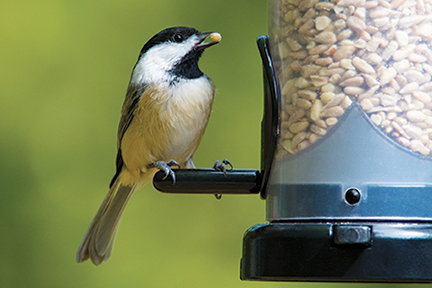
A Backyard Bird Care Guide for Clean Feeders, Fresh Food & Healthy Birds
A Backyard Bird Care Guide for Clean Feeders, Fresh Food & Healthy Birds
There is something pretty special about putting out a bird feeder or bird bath and watching birds discover it. Maybe a Black-capped Chickadee grabs a sunflower seed and disappears into a nearby tree, a House Finch settles in for breakfast, or a hummingbird zips in for a quick drink before vanishing just as quickly.
Providing food and water gives us an incredible opportunity to connect with the birds around us. It also gives us a responsibility to keep our bird feeders, bird baths, seed, and hummingbird nectar clean and fresh.
Fortunately, responsible backyard bird feeding does not have to be complicated. A garden hose, scrub brush, white vinegar and a regular maintenance routine can go a long way toward maintaining a cleaner, healthier feeding station.
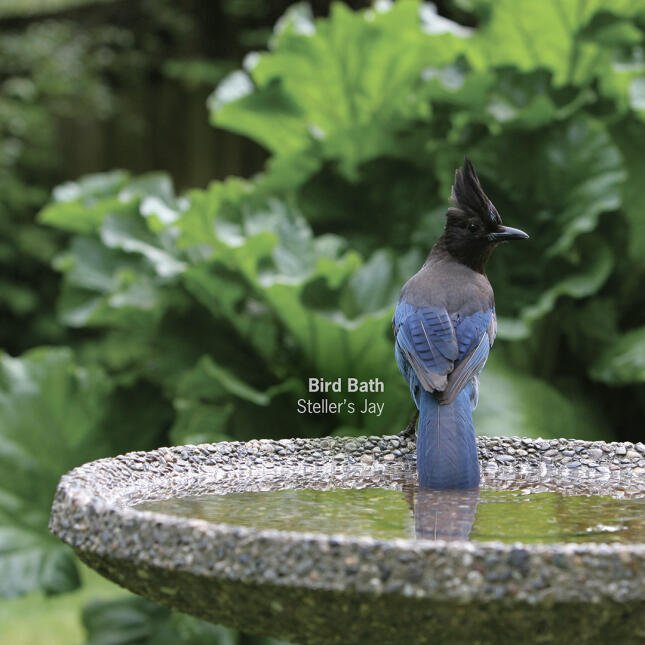
A clean bird bath filled with fresh water for a visiting Steller's Jay
💧 Birdbaths: Fresh Water Every Day
Birds need clean water for drinking and bathing, and a birdbath can attract an amazing variety of species to your yard.
But birdbaths can become dirty surprisingly quickly. Birds don't exactly shower before they use the bath! They bring dirt, dust, feathers and droppings with them, and algae can grow quickly in warm, sunny water.
For that reason, birdbaths should be sprayed out and scrubbed if needed every time you refill them. For most birdbaths, that means checking and refreshing the water every day.
If the bath looks clean, a quick spray may be enough. If you see algae, buildup, or debris, give it a good scrub before adding fresh water.
Make birdbath maintenance easier with a copper disk! Copper can help reduce algae and microbial buildup. Copper has antimicrobial and anti-algal properties, so adding a copper disk to your birdbath can greatly reduce the need for scrubbing.
*A copper disk does not replace regular water changes or cleaning, but it can make birdbath maintenance much easier.
For routine cleaning, use:
1 part white vinegar + 10 parts water
Rinse thoroughly and allow the bath to dry completely before adding fresh water.
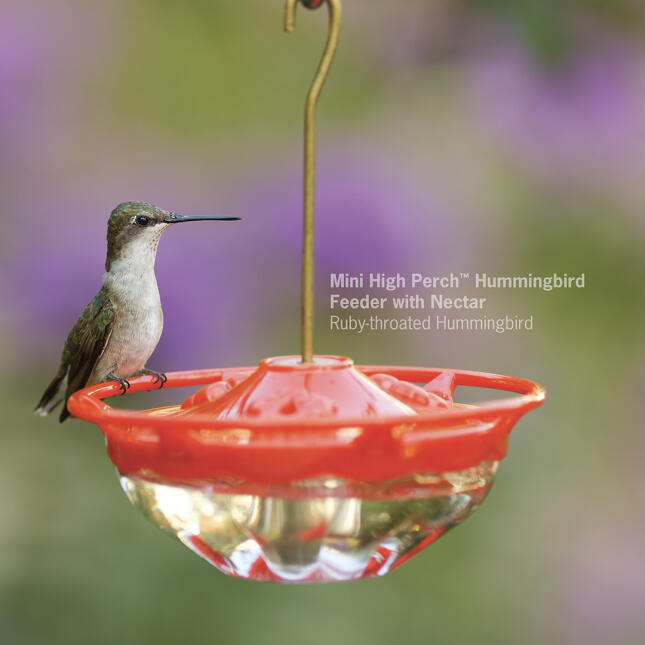
A Ruby-throated Hummingbird drinking from a freshly cleaned nectar feeder
❤️ Hummingbird Feeders: Heat Changes Everything
Hummingbird feeders deserve special attention because sugar water can spoil much faster than many people realize.
As a general rule, hummingbird nectar should never remain in a feeder for more than 3 days, and the feeder should be cleaned every time you change the nectar.
Don't simply dump out the old nectar and replace it with fresh nectar. Rinse and clean the feeder before refilling it.
When summer temperatures reach 90°F or higher, nectar should be changed EVERY SINGLE DAY.
That may sound like a lot of work, but it is so important to keep hummingbirds safe. Spoiled nectar can be deadly. Hummingbirds are small, active birds with very high metabolisms, and keeping their food fresh is an important part of responsible hummingbird feeding.
Don't want the daily maintenance? That's okay!
If maintaining a hummingbird feeder feels like too much work, don't worry! Hummingbirds also love flowers, so you can still create a hummingbird-friendly backyard without a feeder.
Try adding native and drought-tolerant plants such as:
Rocky Mountain penstemon
Firecracker penstemon
Pineleaf penstemon
Hummingbird mint (Agastache)
Native columbines
These beautiful plants can provide natural nectar while also helping create a more wildlife-friendly garden. You don't need a feeder to feed hummingbirds. Plant it, and they will come!
The Only Hummingbird Nectar Recipe You Need
Hummingbird nectar is simple!
1 part plain white table sugar
4 parts hot water
You do not need anything else. Plain white table sugar provides the sucrose hummingbirds naturally obtain from flower nectar.
Skip honey, brown sugar, organic sugar, artificial sweeteners and other additives.
DO NOT add red dye!
What about Nectar Defender?
There is one exception: Nectar Defender. This all-natural compound contains a bird-safe mineral micronutrient that occurs naturally in the insects hummingbirds eat and helps slow nectar spoilage. It can help nectar last up to twice as long as normal, but it does not replace the need to change nectar regularly.
*Even with Nectar Defender, hot weather changes the rules! When temperatures reach 90°F or higher, nectar should be changed every day, and the feeder should be cleaned before adding fresh nectar.
You can also make nectar ahead of time. Store unused nectar in a clean container in the refrigerator for up to 2 weeks.
Here's another tip that can make your life easier: you don't have to fill the feeder completely every time! If you have only a few hummingbirds visiting and they aren't drinking much, put less nectar in the feeder. You'll have less waste, less spoiled nectar and less cleaning to do!
For more hummingbird feeding help, visit our guide to hummingbird feeders and nectar in Colorado Springs.
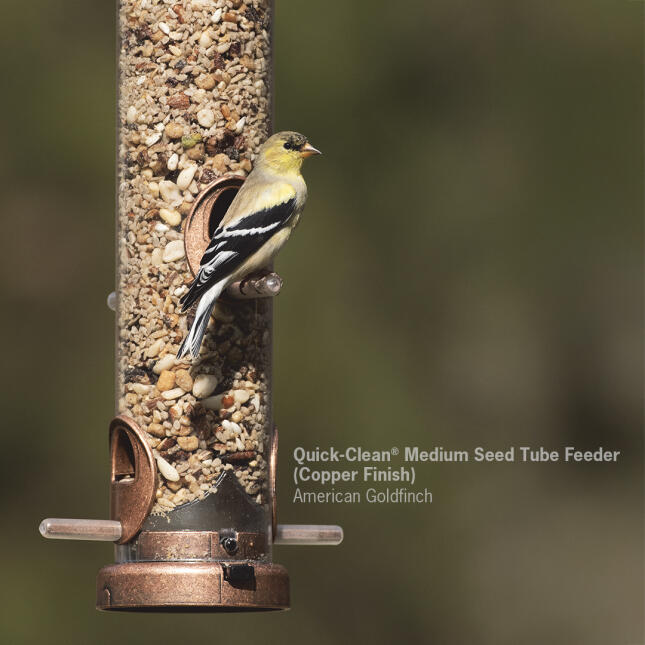
An American Goldfinch visiting a clean and dry seed tube feeder
🌻 Seed Feeders: Give Them a Checkup
Bird feeders don't require daily scrubbing, but they do need regular attention.
Give your feeders a good inspection at least once a week. Look at the seed, feeding ports, trays and the overall condition of the feeder.
Ask yourself:
Is the seed fresh?
Is anything damp?
Has the seed clumped together?
Are there droppings or old food collecting in the tray?
Do you see mold?
Does the feeder need a rinse or deeper cleaning?
If the answer to any of these questions is yes, it's time for a refresh.
Bad weather means more frequent checks
Colorado Springs weather can change quickly. Snow, rain, hail, and large temperature swings can allow moisture to enter feeders and cause bird seed to spoil. Check your feeders after wet weather, even when the outside of the feeder appears dry. If seed is damp, clumped, moldy, or smells unusual, discard it, clean the feeder, and begin again with fresh food.
Moisture, heat and improper storage can all affect food quality. Learn more about keeping bird food fresh.
When in doubt, remove questionable seed, clean the feeder and start fresh.
Don't forget the ground!
One of the easiest parts of a feeding station to overlook is the area underneath it.
Seed hulls, uneaten food and bird droppings can accumulate on the ground and in feeder trays. Over time, that buildup can create a damp environment where mold and mildew thrive.
It can also attract unwanted pests.
Regularly clean underneath your feeders and empty trays as needed.
Want to reduce the mess in the first place? Try a no-mess bird-seed blend and other high-quality foods for Colorado Springs birds. Removing shells from the equation means less waste and less accumulation beneath your feeders.
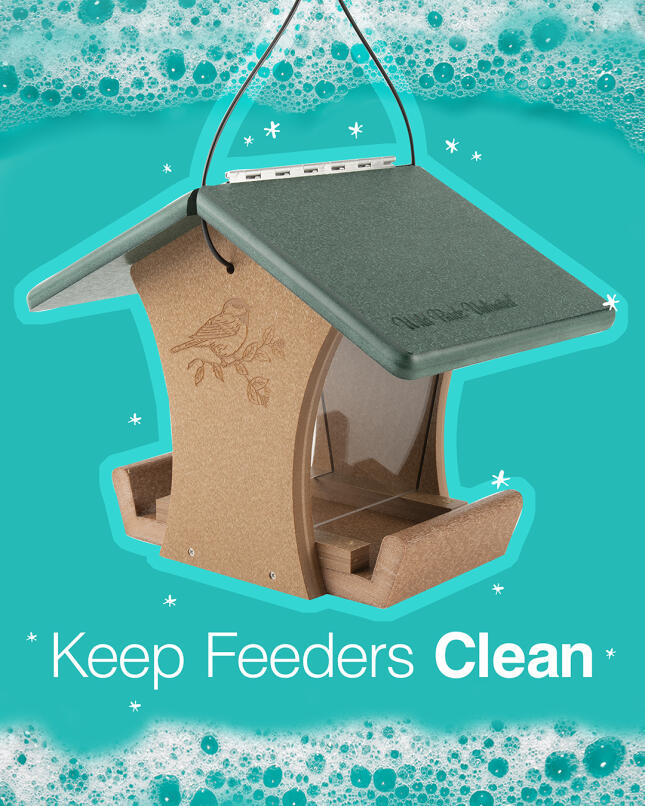
Keep Feeders Clean! A fresh, clean hopper feeder
🧼 How to Clean Your Bird Feeders and Birdbaths
How often should you thoroughly clean your feeders?
There isn't one perfect schedule for every feeder. It depends on the type of feeder, how heavily it is used and the weather.
As a general routine, give your feeders a look and rinse about once a week. Then give them a more thorough cleaning every couple of months, or anytime they become visibly dirty or need it.
For routine cleaning:
1 part white vinegar + 10 parts water
Rinse everything thoroughly and allow it to dry completely before adding fresh seed.
For especially dirty or greasy feeders, a little Dawn dish soap can help break things down.
Just remember one very important step:
Rinse VERY thoroughly.
You don't want soap residue left behind where birds will be eating.
And don't limit your cleaning routine to the feeder itself. Trays, feeding ports, poles, hooks and the ground underneath the feeding station all deserve some attention.
🚨 What to Do If You See a Sick Bird at Your Feeder?
Sometimes, despite our best efforts, we may notice a bird that appears sick. Visit our Bird Health Resources for additional information about illnesses affecting wild birds and what to watch for in your backyard.
Swollen or crusty eyes can be a sign of House Finch eye disease, a contagious respiratory disease that can affect birds gathering around feeders. If you see a sick bird visiting your feeding station, it's a good practice to temporarily remove your feeders for a couple of weeks. This gives birds an opportunity to disperse rather than continuing to congregate around a shared food source.
While your feeders are down, give everything a thorough cleaning and disinfecting.
For disinfection:
1 part bleach + 10 parts water
Rinse everything thoroughly and allow it to dry completely before putting your feeders back out.
If you're concerned about bird illness or want additional information about keeping backyard birds healthy, feel free to contact the store! We're always happy to answer questions about bird feeding, birdbaths, hummingbirds, bird health and creating a bird-friendly backyard.
Simple Steps for a Healthier Feeding Station
Being a responsible backyard bird feeder does not have to be complicated:
- Refresh bird-bath water daily and scrub the bath when needed.
- Change hummingbird nectar at least every three days and daily when temperatures reach 90°F or higher.
- Check seed feeders weekly and after rain or snow.
- Remove wet, spoiled or moldy food immediately.
- Clean feeders, trays, poles and the ground beneath the feeding station.
- Pay attention to changes in your backyard birds and respond if you see signs of illness.
- Include native plants that provide birds with natural food, shelter and nesting habitat.
A few minutes of regular maintenance can help keep your feeding station cleaner, fresher, and more welcoming for the birds you love watching.
Have a question about cleaning a feeder, choosing fresh bird food, or responding to a sick bird? Contact or visit Wild Birds Unlimited of Colorado Springs. Our knowledgeable local team is always happy to help!