
Why Aren’t Birds Coming to My Feeder?
A quiet bird feeder does not necessarily mean something is wrong. Feeder activity naturally changes with the weather, seasons, available habitat, natural food supplies, and the birds moving through Colorado Springs.
If your birds have disappeared or have not discovered a new feeder, start with these common explanations.
1. The Feeder Is New
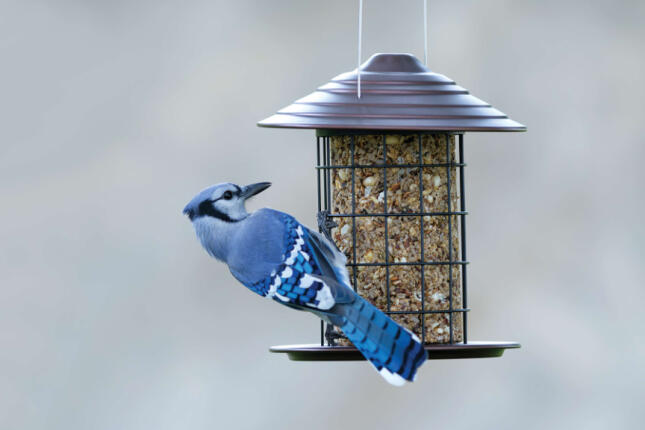
Birds may need time to notice and become comfortable with a new feeder. They can also be cautious when a familiar feeder is replaced by one that looks or moves differently.
Be patient and keep a small amount of fresh food available. Placing a little seed on the feeder tray can make the food easier to see, but avoid scattering large amounts on the ground.
If a feeder has been empty for a while, birds may have shifted to other food sources. They can still return after you begin filling it again.
2. The Food Is Wet or No Longer Fresh
Birds may avoid food that has become stale, damp, moldy, or rancid. Colorado Springs weather can change quickly, and rain, snow, or hail may introduce moisture even when the outside of a feeder looks dry.
Check for:
- Damp or clumped food
- Mold or unusual discoloration
- A musty, sour, or rancid odor
- Seed blocking the feeding ports
- Excessive dust, webbing, or insect damage
Discard questionable food, clean and dry the feeder, and refill it with a small amount of fresh bird food.
Learn more about keeping bird seed fresh in Colorado Springs.
3. The Food and Feeder Do Not Match
Different birds prefer different foods and feeding styles. Goldfinches, chickadees, woodpeckers, doves, jays, and hummingbirds do not all use the same foods or feeders.
Even the right food may be inaccessible if it cannot move properly through the feeder. Large pieces can block small ports, while fine foods may pour out of openings designed for larger seeds.
Our Colorado Springs bird seed guide can help you match the food and feeder to the birds you hope to attract.
4. The Feeder Is Dirty, Clogged, or Damaged
Old food, hulls, droppings, and moisture can collect inside feeders and trays. Feeding ports can become blocked, drainage holes can clog, and damaged components may prevent birds from reaching the food.
Inspect the feeder closely, clean it when needed, and make sure it is completely dry before refilling it. Our Backyard Bird Care Guide explains how to maintain a cleaner, healthier feeding station.
5. The Location Does Not Feel Safe
Birds are more likely to use feeders when they have a clear view of their surroundings and nearby shelter where they can wait, rest, or escape from danger.
A feeder may receive less activity if it is:
- Exposed to strong wind or severe weather
- Too far from protective trees or shrubs
- Hidden beside an area where a cat could wait
- Constantly disturbed by people, pets, or equipment
- Difficult for birds to approach or leave safely
Sometimes moving a feeder a short distance can make a noticeable difference.
6. Natural Food Is Abundant
Birds use feeders to supplement the food they find naturally. When insects, berries, cones, seeds, or nuts are plentiful, birds may spend less time at feeders. For example: finches love ripe coneflower seeds, and jays and woodpeckers feast on autumn nuts.
Feeder activity often increases during (or right before) storms, cold temperatures, snow, or other conditions that make natural food harder to find. A quiet feeder during mild weather or a productive season is usually not cause for concern.
7. Birds Are Moving With the Seasons
Migration, nesting, molting, weather, and normal seasonal movements can all change which birds you see. Some species leave the area, others arrive, and resident birds may temporarily spend more time in different habitats.
Activity can also vary from one year to the next. Keep offering clean feeders and fresh food, and watch for the next seasonal change.
8. A Predator Is Nearby
A Cooper’s Hawk, Sharp-shinned Hawk, outdoor cat, or other predator can make feeder birds disappear very quickly. The predator may be nearby even if you have not seen it.
Songbirds often return after the predator moves on. If a hawk repeatedly waits beside your feeding station, temporarily removing the feeders may encourage it to change its hunting routine.
Keep cats indoors or safely contained, both to protect birds and to keep cats safer.
9. The Surrounding Habitat Has Changed
Tree removal, construction, landscaping changes, wildfire, and other neighborhood activity can affect the food, shelter, and nesting habitat available to birds.
A yard with a variety of native plants, different vegetation heights, clean water, and protective cover will generally support more birds than a feeder by itself.
Give It Time and Start With the Basics
When feeder activity slows, check these things first:
- Is the food fresh and dry?
- Is the feeder clean and working properly?
- Can birds easily reach the food?
- Is there appropriate shelter nearby?
- Has the weather or season changed?
- Could a predator be present?
Most periods of low feeder activity are temporary. Fresh food, a clean and functional feeder, suitable placement, and a little patience can make a meaningful difference.
Still unsure? Bring photos of your feeder and feeding area to Wild Birds Unlimited of Colorado Springs. You may also bring an empty, clean feeder for us to inspect. Our team can help evaluate your food, feeder, location, and the birds you would like to attract!