
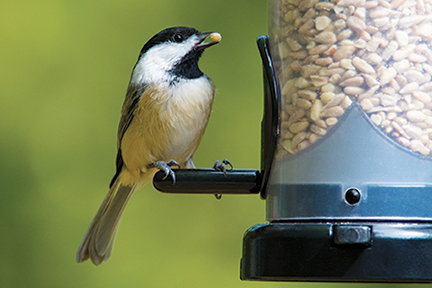
Welcome to Backyard Bird Feeding in Colorado Springs
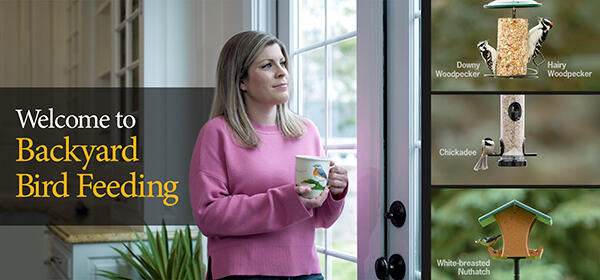
Welcome to the wonderful world of backyard bird feeding!
Perhaps you just hung your first feeder, added a bird bath, installed a new pole system, or completely redesigned your feeding station. Now comes the exciting part: waiting for the birds to discover it.
Some birds may arrive within minutes. Other feeding stations take days or even several weeks to become active. Birds need time to notice something new, decide that it is safe, and add it to their regular search for food and water.
A little patience, thoughtful placement, quality food, clean water, and consistent care can help turn your new setup into a favorite stop for Colorado Springs birds.
How Do Birds Find a New Feeder?
Birds are constantly moving through their surroundings in search of food, water, shelter, and safe places to rest. They use sight, sound, memory, and the behavior of other birds to locate resources.
A chickadee investigating a new feeder may encourage other chickadees, nuthatches, finches, and woodpeckers to take a closer look. Once birds have a positive experience, they may return regularly and teach their young or flock mates about the location.
This process can happen quickly, but it is also completely normal for a new feeder to remain quiet at first.
How Long Does It Take Birds to Visit a New Feeder?
There is no universal timeline. Birds might find a new feeder the same day it goes up, or it may take several weeks or even months.
When our owner, Heather, first placed feeders at her new house, it was in a brand-new development where construction was still happening and the surrounding bird population was not yet well established. It took a few months before birds began visiting her feeders.
Even at our store, where we feed regularly and already have plenty of bird activity, our familiar visitors may take a few weeks to accept a new feeder. Birds are naturally cautious about changes in their environment, so a quiet feeder does not necessarily mean that anything is wrong. Give them time to notice it, investigate it, and decide that it is safe.
The timing can depend on:
- The season
- Local bird populations
- Migration activity
- Nearby natural food
- The type of feeder and food
- The amount of shelter in the area
- The feeder’s visibility and placement
- Previous feeding activity in the neighborhood
- Weather conditions
- Predator activity
- Construction, landscaping, or other recent disturbances
Do not assume something is wrong if your feeder is not immediately busy. Give birds time to investigate before making repeated changes.
Start With a Familiar, High-Quality Food
One of the easiest ways to help birds discover a new feeder is to offer food they recognize and want to eat.
Black oil sunflower, sunflower chips, peanuts, suet, and high-quality blends can appeal to many Colorado Springs birds. The best choice will depend on the feeder, the season, and the species you hope to attract.
Foods containing large amounts of ingredients your local birds do not prefer may be pushed aside or left uneaten. This can create waste beneath the feeder without helping birds discover the new station.
Our guide to the best bird seed for Colorado Springs birds explains the foods we carry and which birds they attract.
Match the Food to the Feeder
Even excellent bird food may not work well if it is offered in the wrong type of feeder.
For example:
- Tube feeders work well for many small perching birds
- Hopper feeders provide an easy-to-see feeding area
- Tray feeders accommodate birds that prefer a more open surface
- Suet feeders serve woodpeckers, nuthatches, chickadees, and other suet-eating birds
- Finch feeders are designed for small finch foods
- Cylinder feeders hold compressed bird food that lasts longer than loose seed
- Hummingbird feeders provide properly prepared sugar water
- Ground-feeding options serve birds that naturally forage below other feeders
The feeder’s port size, perch design, height, and accessibility all influence which birds can comfortably use it.
Visit our guide to bird feeders in Colorado Springs for help choosing the right feeder and food combination.
Make the New Feeder Easy to See
Place a new feeder where birds moving through the yard can notice it. A feeder hidden beneath a roof, behind dense vegetation, or in a dark corner may take longer to find.
Birds should also have a clear view of the surrounding area so they can watch for predators.
Nearby trees and shrubs provide valuable shelter and a place for birds to wait before approaching. However, avoid placing the feeder so close to dense cover that an outdoor cat or another predator can hide directly beside it.
A good location balances visibility, shelter, safety, and convenient access for filling and cleaning.
Moving an Existing Feeder
If birds were already using a feeder and you move it, try making the change gradually when possible.
Move the feeder a short distance at a time, or temporarily place the old and new feeders near each other. Birds may continue checking the original location before noticing the change.
If you replaced an older feeder with a different design, hanging both feeders together for a short period can help birds become comfortable with the new one. Once they begin using it regularly, the old feeder can be removed.
Give Birds a Place to Wait
Birds frequently observe a feeding station from a nearby perch before approaching.
Trees, shrubs, and appropriately placed branches give birds a place to:
- Inspect a new feeder
- Wait for feeding space
- Open seeds
- Preen
- Watch for predators
- Retreat when startled
Native plants are especially valuable because they can provide shelter, natural food, nesting habitat, and insects in addition to convenient perches.
Add Water
A dependable water source may attract birds that do not eat the food in your feeders.
Birds need water for drinking, bathing, and feather care throughout the year. A shallow bird bath, heated bird bath, dripper, fountain, or mister can make your yard more noticeable and welcoming.
Moving water can be particularly effective because birds may notice its sound and reflected light from a distance.
Keep the water fresh and the basin clean. Visit our guide to bird baths and heated bird baths in Colorado Springs for placement, cleaning, winter care, and product information.
Keep the Feeding Station Consistent
Bird activity naturally changes, but frequent changes to the feeder, food, or location can make it harder to determine what is working.
Once you have selected a reasonable location:
- Keep food available consistently
- Give birds time to investigate
- Avoid moving the feeder every few days
- Keep the food fresh and dry
- Clean the feeder regularly
- Watch for patterns in activity
- Make one adjustment at a time
Consistency helps birds learn that your feeding station is a dependable resource.
Keep Bird Food Fresh
Birds may avoid food that is wet, moldy, stale, clumped, or spoiled.
When filling a feeder:
- Check the remaining food before adding more
- Avoid continually covering old food with fresh food
- Remove wet or clumped food
- Make sure drainage holes are clear
- Clean the feeder before refilling when needed
- Store extra bird food indoors in a sturdy, airtight container
- Purchase an amount you can use while it is fresh
During wet weather, fill feeders with smaller amounts and check them more frequently.
Keep Feeders and Baths Clean
A busy feeding station brings birds into closer contact than they might experience while feeding naturally. Routine cleaning is an important part of responsible bird feeding.
Replace bird-bath water daily whenever possible and clean the basin regularly. Check feeders for droppings, mold, wet food, and accumulated debris.
If you notice a sick bird, temporarily remove shared feeders and baths so birds can disperse. Clean and disinfect the equipment thoroughly before returning it to use.
Our backyard bird-care guide provides detailed information about feeder cleaning, bird baths, hummingbird feeders, food storage, and responding to sick birds.
Expect Bird Activity to Change With the Seasons
A quiet feeder does not always mean the birds have disappeared.
Birds may visit less often when:
- Natural seeds, fruit, or insects are abundant
- They are sitting on eggs
- They are feeding nestlings
- Migration changes the local bird population
- A predator has recently visited
- Severe weather changes their routine
- A neighboring feeding station offers another resource
- Food has become stale or wet
- The feeder needs cleaning
- Landscaping or construction has altered the habitat
Some species are present only during certain seasons. Others change their diets throughout the year.
Bird-feeding activity naturally rises and falls. Looking at longer patterns is more helpful than judging a feeder by one quiet morning.
Watch for Predators
Birds may temporarily avoid a feeding station after seeing a hawk, outdoor cat, or other predator.
Hawks are a natural part of the ecosystem and may occasionally hunt near feeders. If a hawk begins spending long periods beside the station and birds stop visiting, you can temporarily remove the feeders to encourage the flock and the predator to disperse.
Keep cats indoors or provide a secure outdoor enclosure. Avoid placing feeders directly beside low cover where a cat can hide and pounce.
Prevent Window Strikes
Windows can reflect sky and vegetation, creating the appearance of open habitat. A feeder placed near a window should be paired with effective bird-safe window treatments.
Treatments work best when they cover the outside of the glass and are spaced closely enough that birds do not perceive open flight paths between them.
We carry window-collision prevention options and can help you choose a solution for your windows and feeder placement.
Plan for Squirrels, Raccoons, and Deer
It is easier to plan for wildlife before animals establish a habit of visiting the feeding station.
The correct pole height, baffle, feeder style, placement, and food can significantly reduce access by squirrels, raccoons, and deer. Keep feeders away from roofs, railings, fences, trees, and other structures that animals can use to jump, climb, or reach the food.
Our guide to wildlife-resistant bird feeding in Colorado Springs explains different options for local feeding challenges.
Be Bear Aware
Black bears can appear throughout much of Colorado Springs, including neighborhoods where people may not expect them.
Seed, suet, peanuts, and hummingbird nectar can provide a significant food reward. Store bird food securely indoors, keep the area beneath feeders clean, and monitor for bear activity.
If a bear reaches a feeder, receives food, or repeatedly investigates the station, remove all accessible feeders immediately. Never allow a bear to associate your home with a dependable meal.
Visit our guide to bird feeders and bears in Colorado Springs for information about seasonal precautions, bear-resistant systems, secure storage, and when feeders should come down.
Do Birds Become Dependent on Feeders?
Birds use many different food sources throughout the day. Feeders usually supplement the natural food they find rather than becoming their only source of nutrition.
You can travel, change your feeding routine, or temporarily remove feeders when cleaning, illness, predators, or bears make it necessary. Birds will continue searching for natural and supplemental food elsewhere.
Feeders also do not prevent birds from migrating when it is time for them to leave. Migration is guided by powerful biological and environmental signals, not simply by the presence of food in one yard.
Why Are Birds Throwing Food on the Ground?
Birds may push food aside while searching for preferred pieces. Some also remove hulls at the feeder, creating what looks like a pile of uneaten seed.
Large amounts of discarded food may indicate:
- The blend contains ingredients birds do not prefer
- The food has become stale or wet
- The feeder is difficult for certain birds to use
- Hulls are accumulating beneath the feeder
- Birds are selecting only one ingredient
- The feeder needs cleaning
A no-mess blend, sunflower chips, seed tray, or better-matched food can reduce waste and make cleanup easier.
Why Is My New Bird Bath Still Empty?
Birds may need time to find and trust a new bath just as they do with a feeder.
Make sure the water is shallow, the surface provides secure footing, and the bath is placed where birds can see their surroundings. Nearby shelter can make birds feel more comfortable, while moving water can help them notice the bath.
Keep the water fresh even before birds begin using it. A clean, dependable bath is more likely to become part of their routine.
When Should I Make a Change?
Give a new setup time before changing everything. If several weeks pass with little or no activity, evaluate:
- Is the feeder visible?
- Is the food fresh?
- Is the food appropriate for the feeder?
- Are the feeding ports blocked?
- Is the feeder too exposed or too hidden?
- Is a predator visiting?
- Are natural foods especially abundant?
- Is the bird bath too deep or slippery?
- Is wildlife repeatedly emptying the feeder?
- Has the weather changed?
- Are there birds in the surrounding habitat?
Our guide to why birds may not be eating can help you work through additional possibilities.
Welcome to Bird Feeding: Frequently Asked Questions
Should I fill a new feeder completely?
You can begin with a smaller amount of food while birds discover the feeder. This reduces waste and makes it easier to monitor freshness. Add more as activity increases.
Should I scatter seed beneath a new feeder?
Scattered food can attract rodents and other wildlife, accumulate in landscaping, and become a concern in bear country. A visible tray feeder or small amount of food in the feeder is a better choice.
Can I put several feeders together?
Yes. A feeding station can offer multiple foods and feeder styles. Provide enough space for birds to approach and leave safely, and arrange the station so each feeder can be reached for filling and cleaning.
Will birds use a brand-new feeder?
Yes, but they may need time to investigate it. A familiar food, visible placement, nearby shelter, and consistency can help.
Why do birds approach but not land?
The perch or feeding port may not suit them, the feeder may be moving in the wind, or they may still be assessing something new. Watch their behavior before changing the setup.
Does the color of a feeder matter?
Feeder design, food, placement, cleanliness, and safety usually matter more than color. Hummingbird feeders commonly use red accents to attract attention, but red dye should never be added to nectar. Goldfinches may notice yellow feeders, orioles may notice orange, and bluebirds may investigate blue feeders, but these are not hard-and-fast rules.
Can I stop feeding birds temporarily?
Yes. Birds use many natural and supplemental food sources. Temporarily removing feeders is appropriate when cleaning, managing illness, responding to predators, or preventing bears from receiving food.
What birds might visit my Colorado Springs feeder?
Depending on your neighborhood, habitat, elevation, season, feeder, and food, visitors may include chickadees, nuthatches, House Finches, goldfinches, juncos, towhees, woodpeckers, Northern Flickers, hummingbirds, grosbeaks, sparrows, and other local or migrating birds.
Let Us Help With Your New Feeding Station
Every yard is different. Visit Wild Birds Unlimited of Colorado Springs at 2450 Montebello Square Drive for help choosing food, feeders, bird baths, pole systems, baffles, and other backyard bird-feeding supplies.
Bring photographs and basic measurements of your yard, deck, windows, trees, and proposed feeding area. Tell us which birds you hope to attract and about any challenges you are experiencing.
We are always happy to answer your questions and help you create a feeding station that is enjoyable for you, welcoming to birds, and appropriate for your property!