
Bird Feeding on a Budget
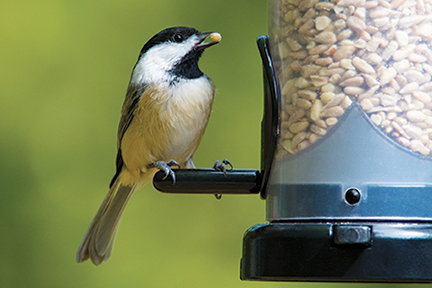
Backyard bird feeding does not have to begin with a large feeding station or an expensive collection of feeders. A single well-chosen feeder, the right food, and a little thoughtful planning can bring plenty of activity to your yard.
Like many things, the lowest-priced food or feeder is not always the least expensive over time. Food that birds leave behind, feeders that spill easily, and products that need frequent replacement can ultimately cost more. The goal is to choose a setup that works for your birds, your yard, and your budget while reducing waste wherever possible.
1. Choose The Right Foods
Choose food birds will actually eat, because an inexpensive bag of bird seed is not a bargain if most of it ends up uneaten on the ground!
Some lower-priced blends contain large amounts of grains that many backyard songbirds leave behind. Birds may dig through the mixture looking for preferred foods, scattering everything else beneath the feeder. This creates waste, adds to cleanup, and may attract unwanted wildlife.
High-quality bird food may cost more per pound, but more of what you purchase is actually eaten. Choosing food based on the birds in your yard also keeps you from paying for ingredients they do not want.
Visit our guide to the best bird seed for Colorado Springs birds to compare food types and learn which birds they attract.
2. Consider No-Mess Bird Food
Traditional seed still inside its shell includes weight that birds cannot eat. After opening each seed, birds leave the empty hull behind.
No-mess blends contain foods that have already been shelled. Because the hulls have been removed, you are paying only for edible food. These blends can also reduce the amount of debris beneath feeders and are especially useful around patios, sidewalks, landscaped areas, and shared spaces.
No-mess food is not necessarily the least expensive option at checkout, but its high percentage of edible ingredients and reduced cleanup can make it an excellent overall value.
3. Use Seed Cylinders for Longer-Lasting Food
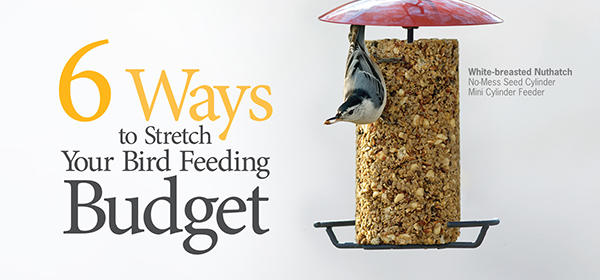
Seed cylinders are made from tightly compressed bird food. Birds must peck pieces from the cylinder instead of sweeping through loose seed.
This can help the food last longer, reduce scattered seed, and make refilling less frequent. Cylinders are available in different sizes and recipes, including options with sunflower, peanuts, fruit, mealworms, safflower, and hot pepper.
For the best results, match the cylinder and feeder to the birds you want to attract. Our team can help you compare recipes, cylinder sizes, weather protection, and feeder options.
4. Protect Your Bird Food
Rain, snow, squirrels, raccoons, deer, and larger birds can quickly turn good bird food into wasted bird food.
To protect your investment:
- Use feeders with appropriate drainage.
- Add a weather guard when needed.
- Use a properly positioned baffle or cage.
- Keep feeders away from easy jumping and climbing points.
- Store extra food in a cool, dry location.
- Use secure containers that limit access by insects and mammals.
- Clean up spilled food beneath the feeding station.
- Avoid overfilling feeders before rain or snow.
The right solution depends on which animal is visiting and how it reaches the feeder. Our wildlife-resistant bird-feeding guide explains the available options.
Bears require additional precautions. If bears repeatedly visit or receive food from your feeding station, remove the attractant and review our guide to bird feeders and bears in Colorado Springs.
Quality feeders can also provide years of use when maintained properly. Before replacing an entire feeder, bring it to our store. We may be able to clean it, locate a replacement part, complete a simple repair, or help with a manufacturer warranty.
5. Feed a Little at a Time
A feeder does not always need to be filled to the top.
If your birds eat only a small amount each day, add a smaller quantity and refill it as needed. This helps keep food fresh and reduces losses if a feeder is knocked down, exposed to moisture, or discovered by wildlife.
Match the amount you offer to the number of birds visiting and how quickly they finish the food. You can also begin with one versatile feeder instead of purchasing several feeders at once. Once you know which birds visit your yard, you can decide if another food or feeder would add something meaningful.
Bird feeders supplement the natural insects, seeds, berries, and other foods birds find throughout the day. You can adjust the amount you provide to fit your budget and routine.
Our welcome to backyard bird feeding guide can help you choose a practical starting setup.
6. Join the Daily Savings Club
If you purchase bird food regularly, the Daily Savings Club can be one of the easiest ways to reduce your ongoing costs.
A $25 annual membership includes:
- 15% off regularly priced bird and wildlife food
- An additional 5% off bird-food sale prices
- A $10 Bird Buck for every $200 spent in the store
- Members-only offers
- Occasional double-points events
For many customers, the food savings alone can cover the membership cost after approximately three to four 20-pound bags of seed, depending on the foods selected.
Let Us Help You Make the Most of Your Budget
Visit Wild Birds Unlimited of Colorado Springs at 2450 Montebello Square Drive and tell us which birds you hope to attract, what equipment you already own, and what challenges you are experiencing.
We can help you choose a practical starting point, reduce wasted food, repair existing equipment when possible, and decide which upgrades would make a meaningful difference. We are always happy to answer questions, even if you are not making a purchase that day.