Create a Certified Wildlife Habitat in Colorado Springs
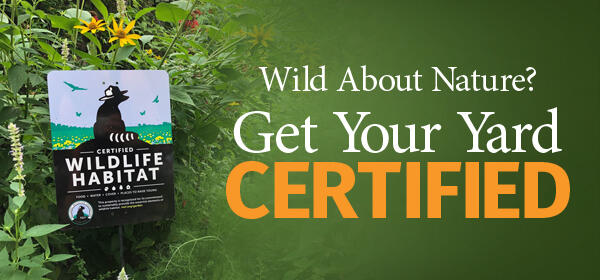
Your yard, garden, balcony, school, or workplace can provide meaningful habitat for birds, butterflies, pollinators, and other wildlife.
The National Wildlife Federation’s Certified Wildlife Habitat® program recognizes spaces that provide the essential resources wildlife need while using sustainable gardening practices. Wild Birds Unlimited is proud to be a Champion Sponsor of the program.
What Does a Certified Wildlife Habitat Need?
To qualify, your space should provide food, water, cover, places to raise young, and sustainable care.
Food: At Least Three Sources
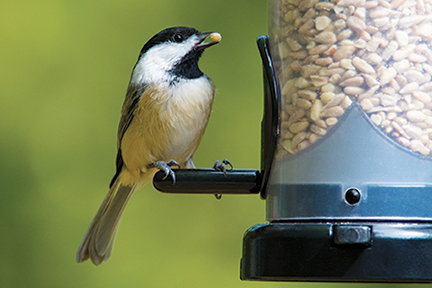
Native plants can provide seeds, berries, nuts, nectar, foliage, and the insects many birds need. Properly maintained bird feeders can supplement these natural foods.
Explore our Colorado Springs bird food guide.
Water: At Least One Source
Wildlife needs clean water for drinking, bathing, and sometimes reproduction. A shallow birdbath, small pond, water garden, or seasonal natural water source may qualify.
Learn more about birdbaths in Colorado Springs.
Cover: At Least Two Sources
Trees, shrubs, dense native plantings, brush piles, evergreens, rock piles, and other natural features give wildlife places to rest, hide from predators, and find protection from Colorado weather.
Places to Raise Young: At Least Two Sources
Different animals need different places to reproduce and care for their young. Native trees and shrubs, host plants for caterpillars, mature trees with cavities, dense vegetation, and properly designed bird houses can all help.
Visit our Colorado Springs bird house guide.
Sustainable Gardening: At Least Three Practices
Sustainable practices help protect the soil, air, and water that wildlife depends on. Examples include:
- Planting native species
- Reducing or eliminating pesticides and herbicides
- Avoiding plants treated with neonicotinoids
- Conserving water
- Removing invasive plants
- Composting
- Leaving fallen leaves and seed heads when appropriate
- Reducing lawn areas
The National Wildlife Federation recommends working toward a landscape made up of at least 70% native plants that provide benefits across multiple seasons.
Ready to Certify Your Space?
Review the requirements and complete the certification process through the National Wildlife Federation Certified Wildlife Habitat program.
When your habitat is certified, please share it with us! Bring a photo to Wild Birds Unlimited of Colorado Springs, email us, or tag us on social media. We would love to celebrate your accomplishment on our Save the Songbirds community board.
Need help choosing bird food, birdbaths, bird houses, or other additions for your habitat? Visit Wild Birds Unlimited of Colorado Springs. Our knowledgeable local team is happy to answer questions, offer suggestions, and celebrate your habitat projects with you.
You can also explore our Backyard Bird Care Guide for help maintaining a clean and healthy feeding station.