
Creating a Backyard Wildlife Habitat in Colorado Springs
Every outdoor space can offer something valuable to wildlife. A container garden on a balcony, a carefully maintained yard in an HOA community, a business landscape, and several acres of open land can all provide food, water, shelter, and places for wildlife to raise young.
You do not have to replace every plant you love or remove your entire lawn. Creating habitat is not about achieving perfection. It is about making thoughtful changes that allow your space to support more life.
Start with what you have, add what works for your space, and build from there.
Start With Native Plants
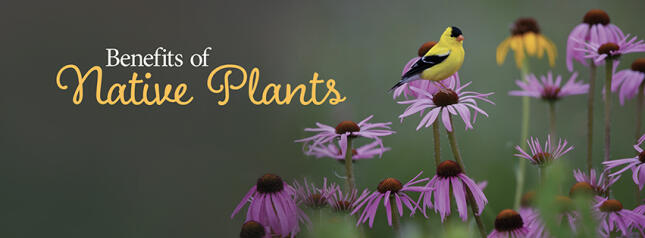
Colorado native plants are especially valuable because they have long-standing relationships with our local birds, pollinators, insects, and other wildlife. They can provide seeds, berries, nectar, shelter, nesting sites, and the insects that many birds need to feed their young.
When matched to the right soil, sunlight, moisture, and elevation, native plants may also require less supplemental water and fewer inputs than many traditional landscape plants.
But your garden does not have to be entirely native.
Keep the plants that are meaningful to you. Grow vegetables, herbs, roses, tulips, or other favorites. Then look for places where native plants can be added alongside them. You might replace one struggling shrub, convert the edge of a lawn, add a native plant to an existing flower bed, or place a few native plants in containers.
Every native plant is a step in the right direction.
Some options to explore for Colorado Springs include native penstemons, goldenrods, asters, blanketflower, rabbitbrush, serviceberry, native currants, chokecherry, and native grasses. Always match plants to the conditions in your particular space.
Native Plant Resources:
Need help selecting plants for your space? These Colorado-focused resources are great places to start:
Wild Ones Front Range Chapter offers native plant education, local events, plant information, and resources for Front Range gardeners, including the Pikes Peak region.
CSU Extension Native Plants Guide provides guidance for selecting and successfully growing Colorado native plants.
CSU Extension Low-Water Native Plant Garden Guides include sample garden designs and plant recommendations for Colorado landscapes.
Garden In A Box offers professionally designed, water-wise garden kits. Plant selections vary, so look for kits identified as native if supporting local wildlife is your priority.
Colorado Springs Utilities Water Wise Plants is a searchable guide to plants suited to our climate. It includes both native and nonnative water-wise choices.
Colorado Springs Utilities Conservation & Environmental Center has free demonstration gardens, landscape examples, classes, and resources for creating beautiful, lower-water landscapes.
Colorado Springs Utilities Native Grass Lawn Program offers eligible residential customers guidance and free native grass seed when enrollment is available.
The Four Things Wildlife Needs
Creating habitat becomes easier when you think about four basic needs: food, water, shelter, and places to raise young.
1. Food
A diverse habitat offers food in different forms and throughout different seasons.
Native plants may provide:
- Nectar for hummingbirds, butterflies, bees, and other pollinators
- Seeds for finches, sparrows, and other seed-eating birds
- Berries and fruit for birds and mammals
- Leaves for caterpillars and other insects
- Insects that birds need, especially while raising young
Leave some seed heads standing through fall and winter, and allow fallen leaves to remain in appropriate garden areas. These natural layers can support insects and provide feeding opportunities for birds.
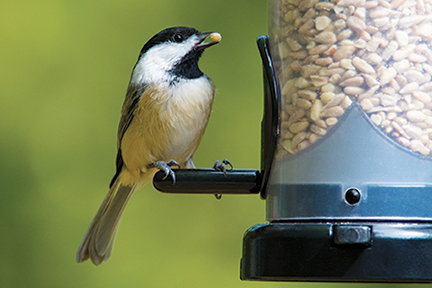
Bird feeders can supplement natural food sources. Our Colorado Springs bird food guide can help you choose foods for the birds visiting your space.
2. Water
Clean water can attract birds that may never visit a feeder. It also supports pollinators and other wildlife.
Water can be provided with:
- A shallow birdbath
- A pedestal, hanging, deck-mounted, or heated bath
- A shallow container with secure footing
- A small pond or water garden
- A dripper or moving-water feature
Refresh water regularly and keep the container clean. If pets or free-roaming cats visit the area, place water where wildlife can see its surroundings and escape safely.
Learn more about birdbaths in Colorado Springs.
3. Shelter
Wildlife needs protection from wind, snow, heat, predators, and human activity.
Trees, shrubs, tall grasses, dense plantings, brush piles, fallen leaves, rock features, and standing dead wood can all provide cover. Keep dead trees or limbs only when they can safely remain in place.
Try to create layers when space allows. Groundcovers, flowers, grasses, shrubs, and trees each provide different kinds of shelter. Even two or three large containers planted at different heights can create a small protected area on a balcony or patio.
4. Places to Raise Young
A healthy habitat gives wildlife places to mate, nest, lay eggs, and care for its young.
Native plants can serve as host plants where butterflies and moths lay their eggs. Dense shrubs and trees may provide nesting locations for birds. Dead stems, natural cavities, leaf litter, and undisturbed soil can support insects and other small animals.
Properly designed bird houses can provide nesting sites for cavity-nesting birds when the house, entrance size, habitat, and placement match the intended species.
Explore our Colorado Springs bird house guide.
Avoid offering yarn, string, dryer lint, or pet hair as nesting material. Birds are best served by natural materials growing or resting safely within the habitat.
Habitat Can Fit Almost Anywhere
Balconies and Patios
Use containers with native flowers, grasses, and small shrubs. Add a shallow water source, allow some stems and seed heads to remain, and choose plants that bloom or produce seed at different times.
Native plants can be successfully grown in containers and can support birds, butterflies, and native bees even in small spaces.
HOA Communities
A habitat garden can look tidy and intentional. Defined borders, grouped plantings, maintained paths, attractive containers, and planned color combinations can help wildlife-friendly landscaping fit within community standards.
You do not have to remove the entire lawn. Begin with garden edges, difficult corners, narrow side yards, or areas where grass does not grow well. Always review your community’s current landscaping requirements before making changes.
Businesses, Schools, and Community Spaces
Entry gardens, courtyards, medians, patios, and unused lawn edges can become habitat. These spaces can also demonstrate that attractive landscaping and wildlife support can work together.
Larger Properties
Acreage provides opportunities to preserve existing habitat, restore native vegetation, manage invasive plants, protect waterways, and create connected areas where wildlife can move safely. Large properties do not need to be intensively landscaped. Sometimes the most valuable choice is allowing an appropriate area to remain naturally complex.
You Do Not Have to Do Everything at Once
Creating habitat can begin with one manageable step:
- Add one native plant.
- Replace a section of lawn.
- Put out a clean birdbath.
- Leave seed heads standing through winter.
- Reduce pesticide use.
- Add a properly designed bird house.
- Create a small brush or leaf area where appropriate.
- Keep cats indoors or safely contained.
- Make windows safer for birds.
Each improvement can provide another piece of what wildlife needs.
Take the Next Step
If your space provides food, water, cover, places to raise young, and sustainable care, it may qualify as a National Wildlife Federation Certified Wildlife Habitat®.
Visit our Certified Wildlife Habitat page to learn about the current requirements and certification process.
Need help choosing bird food, water features, bird houses, or other habitat additions? Visit Wild Birds Unlimited of Colorado Springs. Bring photos or a simple sketch of your space, and our local team will help you find practical ideas that fit your goals, property, and budget.